Table of Contents
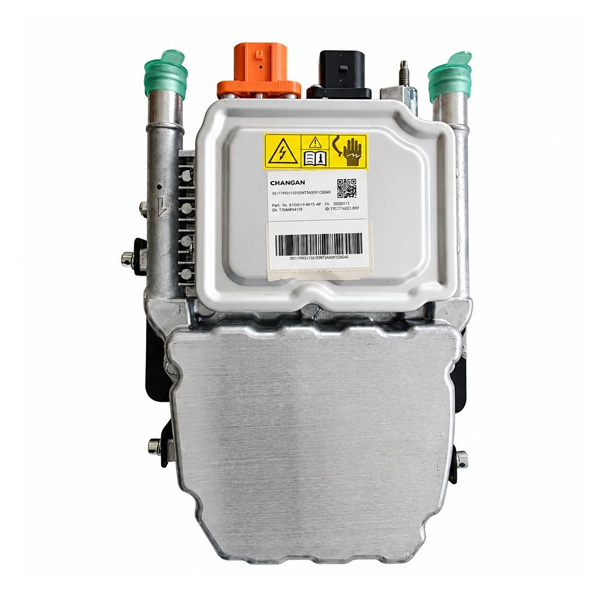
A high voltage coolant heater replacement proposal needs a clear vehicle application and complete identification before a reference change is accepted. Similar housings and fluid connections do not establish the same electrical control or thermal-circuit requirement. A buyer should be able to trace the original request, the proposed change and the decision that allowed shipment.
Wannian lists reference 8115010-BN73-AB in its Changan category with CS55PLUS wording. Confirm the actual vehicle powertrain and heater identity before treating that description as an accepted application. This guide explains a high voltage coolant heater change-review process for procurement. Technical diagnosis and work on the vehicle’s electrical and thermal systems require appropriately qualified personnel and manufacturer-specific information.
1. Establish the original thermal-component requirement
Ask the workshop to identify the vehicle, powertrain and thermal circuit involved in its request. The phrase heater can describe different components and does not by itself establish a coolant-based unit or electrical architecture. Preserve the original component’s complete label and the repairer’s requirement. If the actual component type is uncertain, resolve that before reviewing a substitute.
For a high voltage coolant heater enquiry, state the complete original and proposed references separately. Keep the catalogue model wording as a source to be checked rather than a universal application claim. An insufficient-heat complaint is not a component identity, and the purchasing team should not convert it directly into an approved replacement without the workshop’s diagnosis and requirement.
If an offer uses the broader phrase high voltage heater, ask the supplier to identify the exact automotive component and circuit. Do not assume that an air-heating unit and a coolant-circuit unit are the same item.
2. Request the whole label and the meaning of revision fields
Ask for readable photographs of the original and proposed unit labels. Preserve suffixes, hardware information and other identifiers that are actually present. If a field’s meaning is unclear, ask the supplier to explain it rather than deciding that it must be a software version or production date. Different labelling systems should not be forced into an invented common structure.
A high voltage coolant heater review should distinguish an actual offered-unit image from a representative product-family photo. Ask which one the supplier is providing and whether the offered delivery will carry the same identification. A complete image record helps the workshop review the proposal and gives receiving staff a definite reference when the package arrives.
3. Put the proposed change and its reason into one record
Ask the seller to identify the currently accepted reference, the proposed replacement and the reason for the change. It may concern availability, a corrected application or a claimed supersession. Those explanations require different supporting information. The buyer should not accept a broad statement that the new one is suitable without an application basis tied to the actual vehicle.
For the high voltage coolant heater, the change proposal should also state whether supplied accessories, configuration requirements, commercial terms or delivery timing change. Keep the line pending while the workshop reviews the technical implications. Approval of the first offer does not automatically authorise every later stock substitution, even if the seller considers the revised unit an improvement.
| Change field | Supplier answer | Acceptance evidence |
|---|---|---|
| Identity | Complete original and proposed references | Readable labels and dated change proposal |
| Application | Vehicle, powertrain and circuit reviewed | Written basis accepted by the workshop |
| Interfaces | Relevant electrical, fluid and mounting differences | Clarified questions and technical review |
| Commercial scope | Accessories, price, delivery and terms changes | Revised quotation and buyer approval |
4. Review electrical and fluid interfaces as separate questions
Ask for clear views of the electrical connections, coolant ports and mounting arrangement. These images can reveal visible differences and direct the workshop’s questions. They cannot establish identical pin assignments, control behaviour, voltage requirements or thermal performance. Obtain the relevant application information instead of treating similar connector shells as a compatibility test.
A high voltage coolant heater should not be energised outside an approved procedure to settle a purchasing question. Do not suggest connector adaptations or improvised fluid-circuit tests. If the proposed reference differs, the workshop should identify what technical information it needs and the supplier should provide a substantiated response. An unanswered electrical or circuit question remains a reason to hold approval.
5. Clarify supplied equipment and support requirements
The revised offer should identify the heater unit and relevant brackets, seals, harness items or other accessories as included or excluded. Do not assume every item visible in a photograph is supplied. Ask whether the proposal depends on transferring components from the original unit, and obtain the repairer’s assessment of that plan before accepting it.
For the high voltage coolant heater, record any configuration or commissioning support the qualified workshop needs for the actual application. A seller’s use of the term PTC heater does not resolve all interface and control questions. Ask for the precise offered scope and support information rather than turning a broad product description into a promise of installation without further work.
6. Assign approval and communicate the accepted revision
Identify who approves the application review and who accepts the commercial revision. Save both decisions with the dated offer and mark the previous version superseded. The purchase order, dispatch instruction and workshop file should all identify the same accepted unit. A change left in an isolated message can be missed by the person preparing the shipment.
For a high voltage coolant heater shipment, ask the supplier to use the accepted reference on the packing list and relevant package. Protect electrical interfaces and fluid ports as instructed, and keep loose accessories linked to the order line. A packing image documents the visible preparation but does not establish performance or software compatibility. Preserve those different evidence purposes in the file.

7. Hold unexpected delivered revisions for review
Receiving staff should compare the actual delivered label and supplied scope with the accepted revision. Inspect visible housing, protected ports, connectors and package condition without opening or powering the unit. If a label or configuration differs, record it and hold the affected line. A familiar exterior is not enough to release an unapproved reference to the repairer.
HSE guidance on electric and hybrid vehicles describes why relevant competence and vehicle-specific information matter in repair work. It does not approve this high voltage coolant heater or give a test procedure for the listed application. Pass the accepted application and delivered identity to the qualified workshop, which should determine the appropriate technical work and record the installed unit in its job file.
8. Send a high voltage coolant heater enquiry with revision questions clear
Use Wannian’s Changan-category heater product page to identify reference 8115010-BN73-AB and browse the Changan Auto Parts category for the rest of the sourcing list. Attach the original label, vehicle powertrain information, workshop requirement and relevant interface photographs. Ask the supplier to explain the actual heater type and application in its written response.
Submit the high voltage coolant heater enquiry through the Wannian enquiry page with quantity and delivery location. State that a reference or revision change needs a dated proposal and review before dispatch. Save the accepted baseline and later decisions together. This lets purchasing, warehouse and workshop staff trace exactly what was requested, what changed and which delivered unit was approved.
Frequently Asked Questions
Does a similar housing prove high voltage coolant heater interchangeability?
No. Review complete identification, vehicle application, electrical control, coolant-circuit and mounting requirements using supplier evidence and qualified workshop assessment.
Does 8115010-BN73-AB confirm every named vehicle application?
Use it as the listed enquiry reference. Confirm the actual vehicle powertrain, component type and complete original identification before approving the proposed application.
What belongs in a high voltage coolant heater change proposal?
Record original and proposed identities, reason for change, application evidence, relevant interface differences, support requirements and commercial effects in one dated revised offer.
Can receiving staff power the unit to identify it?
Receiving should compare labels and visible condition. Electrical evaluation requires appropriately qualified personnel, suitable equipment and the correct vehicle-specific procedures.
What if a different high voltage coolant heater revision arrives?
Document the actual label and configuration and hold the line for review. Obtain approval of the delivered revision before it reaches the workshop for installation.