Table of Contents
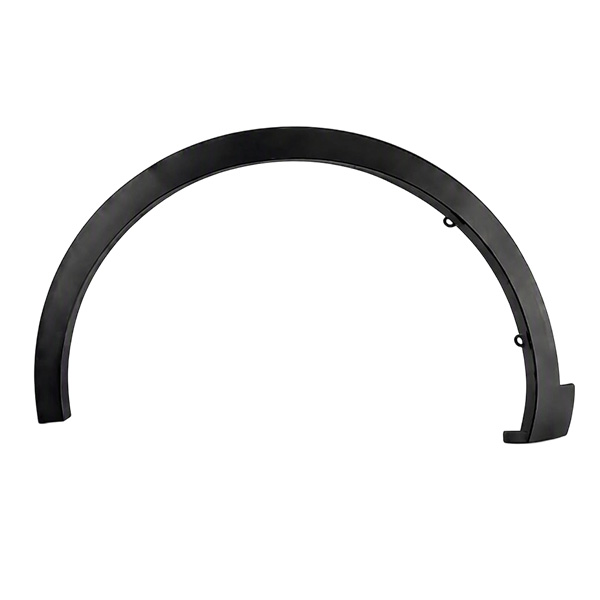
Changan fender molding is easy to underestimate on a parts list. A narrow curved strip may look interchangeable with several neighbouring items, yet one different end profile or clip arrangement can prevent it from sitting correctly against the body. For a distributor, the most useful description identifies the wheel opening and the supplied retention equipment rather than simply calling the item a black plastic trim.
This guide concentrates on the front-left wheel arch trim listed by Wannian for Changan CS55PLUS, with catalogue reference 5512510-AW20. It explains how to organise the evidence for a Changan fender molding order, distinguish the trim from adjacent body parts and avoid losing small installation items between quotation and delivery. The exact production variant and application still need supplier confirmation.
1. Identify the wheel opening before describing the trim
Write the location as a physical position: front-left, front-right, rear-left or rear-right, using the applicable vehicle orientation convention. Driver-side wording is less reliable when the customer and supplier serve different driving markets. Add the vehicle identifier and available production information. A picture of the complete vehicle helps locate the required strip, while a close-up can show where it meets the bumper, sill or adjacent arch section.
For the Changan fender molding example, the catalogue title identifies a front-left wheel arch trim. Preserve that location when requesting a quotation and ask the supplier to confirm the offered reference against the actual vehicle. Do not remove the position from the stock description after the enquiry is accepted. Receiving and picking staff need the same distinguishing information as the person who originally matched the part.
If the customer's request arrives as an unlabelled photograph, ask them to mark the relevant wheel opening and the damaged section. Avoid approving an item because its general curve resembles the image. Mirroring a photograph can hide a side mismatch rather than solve it. Keep the original image and its orientation in the enquiry record so later clarifications refer to the same physical position.
2. Separate Changan fender molding from the fender and liner
A wheel arch trim strip, a metal or composite fender panel, and an inner wheelhouse liner are different purchasing items. Their locations overlap, but their functions and supply scopes do not. The outer molding finishes the visible arch edge. The liner occupies the wheelhouse area. The fender panel forms a larger exterior body section. The exact construction depends on the vehicle, so use these distinctions to clarify the request rather than assume a universal parts arrangement.
A Changan fender molding enquiry should show whether the customer needs only the visible strip or also damaged supporting pieces. Ask the body shop to identify the required scope after assessment. A missing clip or adjacent liner attachment can make the trim difficult to retain even when the new strip itself is correct. Purchasing should capture the repairer's parts requirement, not infer all hidden damage from one exterior photograph.
Check the supplier's actual item description against the title and representative image. If different fields use different component names, request a label or offered-unit photograph and a written explanation. Use the clarified identity in the purchase order. A short catalogue inconsistency does not need to become a lengthy customer-facing claim, but it does need to be resolved before the warehouse receives an item under the wrong stock category.
3. Compare the complete arc and both end profiles
An overall view should show the full curved strip, including both ends. End profiles matter because the molding must meet the neighbouring body or trim sections. A cropped image can conceal a different return, notch or locating extension. Request useful views of the visible face, the rear attachment side and the two ends. Keep the camera orientation consistent when comparing the original and offered parts.
For Changan fender molding, a measurement is useful only when its reference points are defined. Measuring the straight distance between the ends is not the same as measuring along the curved strip. Specify the actual dimension that would resolve the uncertainty. Avoid stretching, flattening or forcing a plastic item to make two measurements agree. The repairer should assess fit using the vehicle-specific body information and the approved part.
Also consider how the trim transitions into the bumper or sill area. The order may concern one strip, but the visible joint depends on adjoining parts and their condition. If a customer reports a gap, establish whether the concern is part identity, a damaged adjacent attachment or an installation issue. A replacement Changan fender molding is not automatically the remedy for every irregularity around the wheel opening.
4. Make the clip and retention scope explicit
Ask how the offered molding is retained and which retention items are included. Depending on the actual design, the supply may involve separate clips, moulded hooks, fasteners, tape or other specified materials. Do not assume any particular retention method from the smooth outer face. Request rear views that reveal the clip seats and locating features, then compare them with the application evidence available from the workshop.
For a Changan fender molding order, list loose clips and fasteners separately from the main strip. Record their quantities and identify whether they arrive fitted or in a labelled bag. A supplier photograph showing clips in place is not a substitute for the written inclusion list. If the quote excludes them, the buyer needs a confirmed source and an agreed specification before promising that the package is ready for the repair.
The workshop decides which removed retention items can be reused under the relevant procedure. Procurement should not assume that every old clip will survive removal or that a visually similar generic clip is suitable. A damaged clip seat on the molding itself is a different problem from a missing loose clip. Keep those conditions separate in receiving reports so the supplier can respond to the actual issue.
5. Agree the visible finish without inventing a colour match
Describe the supplied finish accurately: surface colour, texture, gloss level and any coating information the supplier can substantiate. Black trim is not a single appearance specification. A textured strip may contrast visibly with a smooth or coated neighbouring item even when both are described as black. Use photographs to identify questions, then seek a clear statement of the offered surface rather than treating a screen image as a colour standard.
When comparing Changan fender molding for a cosmetic repair, ask the workshop how the new strip will relate to the retained trim. Existing pieces may differ in condition, exposure or previous refinishing. That assessment is specific to the vehicle. Avoid promising that a new component will be visually indistinguishable from every neighbouring part, and do not add a universal repainting instruction that may conflict with the actual material or supplied surface.
Keep the cosmetic acceptance boundary visible in the order. State what constitutes obvious handling damage, such as a deep scratch on the exposed face, and how it will be documented. Surface appearance and application identity are separate checks: a perfect-looking strip can still be the wrong position, while a correctly identified strip may arrive with unacceptable cosmetic damage. Both need an explicit receiving decision.
6. Choose a trim supply package around the actual repair
A shell-and-clips package may suit one body shop, while another needs the trim alongside separately identified liner or bumper pieces. Compare what each offer contains rather than treating a longer product name as a more complete solution. The Changan fender molding reference should remain stable in the comparison, and added items should have their own identity and quantity where necessary.
The table below distinguishes three enquiry scopes. It does not assert that all packages are stocked or that they share the same application. Ask Wannian which configuration it can offer for the confirmed CS55PLUS requirement, and request current readiness and commercial terms for that configuration.
| Enquiry scope | Information needed | Main purchasing risk |
|---|---|---|
| Changan fender molding only | Wheel position, reference, rear features and supplied finish | Assuming clips or neighbouring parts are included |
| Molding with specified retention items | The main strip plus an itemised clip or fastener list | Receiving a correct strip with unidentified or incomplete loose hardware |
| Workshop-defined arch repair list | Separate identities for trim, liner and any adjoining body parts | Treating several physically adjacent items as one interchangeable assembly |
7. Keep the curve and clip seats protected in storage
Ask for packaging that supports the strip without forcing it into an altered shape. Identify the projecting hooks, clip seats and exposed finish that need protection. A flexible appearance does not establish how far the molding can be bent without damage. Review a representative packing arrangement and keep the component separate from heavy parts or hard edges that could load a small attachment point during handling.
At receiving, check the full Changan fender molding rather than only the centre section visible through an opened carton. Look at both ends and the rear retention areas, and confirm any loose hardware. Photograph the package condition and the observed exception before repacking. If the correct position or supplied scope remains uncertain, hold the item apart from released stock until the question is resolved.
In the warehouse, preserve the side and position information after the outer package is removed. Similar curved strips can be difficult to distinguish on a shelf. Keep the original unit or carton reference connected to the stock record and use an approved orientation photograph where it helps picking. A later Changan fender molding return should be traceable to the actual supplied reference rather than a generic trim-bin description.

8. Hand over a clear trim record to the body shop
The workshop should receive the confirmed vehicle application, the Changan fender molding position, the supplied-equipment list and the relevant reference views. Identify any separately sourced retention items and any approved substitution. This information helps the repairer recognise a supply mismatch before work proceeds. It does not replace vehicle-specific removal, surface preparation or fitting instructions.
The HSE motor vehicle repair guidance provides general background on organising competent workshop work. For this order, the useful practical boundary is that purchasing staff organise identity, scope and condition evidence while the body shop determines the repair method. Avoid describing Changan fender molding installation as universally tool-free or promising that every removed clip can be reused.
Request precise feedback after the job. Ask whether the physical position, end profiles and retention scope matched the approved record. A report that a strip would not sit correctly needs enough detail to distinguish identity, adjoining-part condition and fitting issues. Use the evidence to improve the next enquiry instead of broadening one accepted application to all CS55PLUS variants.
Send Wannian a precise Changan fender molding request
Start with the Front Left Wheel Arch Trim for Changan CS55PLUS listing and catalogue reference 5512510-AW20. Supply the vehicle information, the required wheel position, quantity and destination. Attach an overall vehicle-position image, a full view of the strip and available rear or label photographs. Explain whether the requirement includes clips, fasteners or other pieces identified by the body shop.
Use the Changan Auto Parts category to frame related enquiries and the contact page to send the parts list. Ask Wannian to confirm the actual offered Changan fender molding, its supplied finish and its retention-equipment scope. Keep the response with the final order so receiving staff and the workshop can use the same application decision. Current price and readiness should come from that offer, not from a remembered earlier purchase.
Frequently Asked Questions
Is Changan fender molding the same item as a fender panel?
No. A wheel arch molding is a trim item, while the larger fender panel and inner liner are separate components. Ask the workshop to identify the required repair scope and order each item by its confirmed application.
How should I specify the side of Changan fender molding?
Use a clear physical wheel position and the applicable orientation convention. Include vehicle information and a marked photograph. Avoid relying only on driver-side wording when ordering across different driving markets.
Are clips included with Changan fender molding?
Only if the supplier confirms them in the offer. Request an itemised list and identify whether loose clips or fasteners arrive separately. The workshop should determine the specification and any permitted reuse of removed items.
Can I judge Changan fender molding compatibility from its curve?
The curve is only one feature. Compare both end profiles, rear retention features, physical position and the offered reference. Define measurement points where dimensions are needed to resolve a specific uncertainty.
What should I send with a Changan fender molding enquiry?
Provide the vehicle information, required wheel position, available label or OE evidence, full-strip photographs, quantity and destination. State whether retention equipment and adjacent repair parts are included in the request.